
Key Takeaways
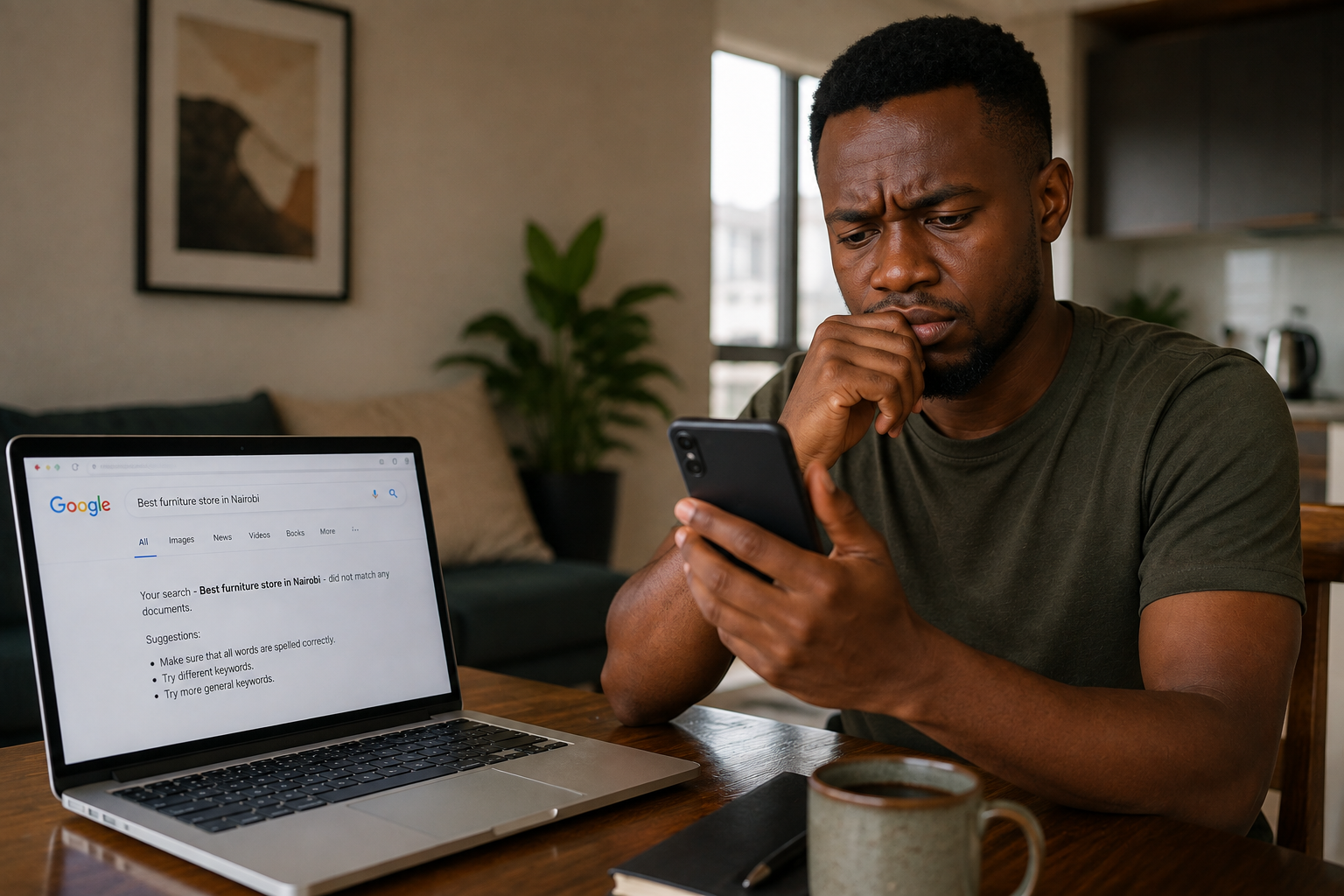
The customer liked your product, and then they went and searched your name. Your customer wants to pay, that's not the issue. But before they make that purchase decision, they will always do a background check.
They went, searched your name, no website. So, no clear service, no clear business information. And suddenly, sending 50,000 Kes to “a Brian” feels like a faith-based initiative.
This is not a hypothetical. It happens every day to businesses across Kenya that have invested time, energy, and money into building a social media presence without ever building a website. And its costing them sales they never even know they lost.
Social Media Gets You Noticed But Not Trusted
Social media is genuinely powerful for discovery. A well-placed post, a shared reel, or a recommendation in a WhatsApp group can put your business in front of hundreds of potential customers overnight. Platforms like Instagram, Facebook, and TikTok are where people stumble upon products and services they didn't know they were looking for.
But discovery is only the first step. After a customer notices you, something else has to happen before they decide to pay you. They have to trust you.
And trust is where social media alone falls short.
A social media page - however well designed, however many followers and good ratings it has, is still just a page. Anyone can create one. Anyone can post beautiful photos. Anyone can write a compelling bio. There is no barrier to entry, and every potential customer knows this. So when the moment comes to hand over their money, they go looking for something more substantial. They go looking for a website.
What Happens When a Customer Googles You and Finds Nothing
Think about your own behavior as a consumer. When someone recommends a business to you, or when you see a product you like on social media, what do you do before you buy?
You search. You Google the name. You look for a website.
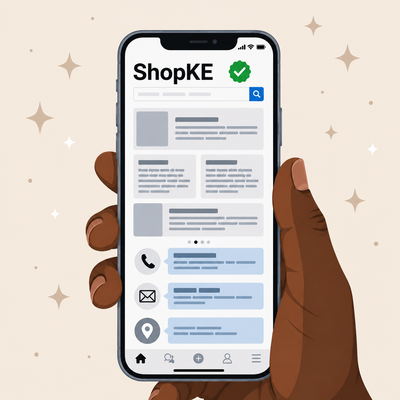
If you find one - a clean, professional website that shows the services, the pricing, the portfolio, and the contact details - your confidence goes up. The business feels legitimate. The risk of sending money feels lower.
If you find nothing - just a social media page, or worse, nothing at all - doubt creeps in. Is this business legitimate? Will I get what I paid for? Can I contact them if something goes wrong? Who exactly am I sending this money to?
That doubt is enough to make most buyers walk away quietly. They won't tell you they were interested. They won't send a message asking for more information. They will simply move on to a competitor who has a website and find their answer there.
You never know how many sales you have lost this way. That is the most dangerous part.
What a Website Actually Does for Your Business
A website does something that no social media page can replicate. It gives your business a permanent, searchable, professional home on the internet that works for you 24 hours a day, seven days a week, even when you are not online.
More importantly, it gives customers something to verify.
When a potential client lands on your website, they can see your services laid out clearly.
They can read about who you are and what you do. They can browse your portfolio and see the work you have done for other clients. They can find your contact details and know there is a real way to reach you. They can even read testimonials from past client who have worked with you before.
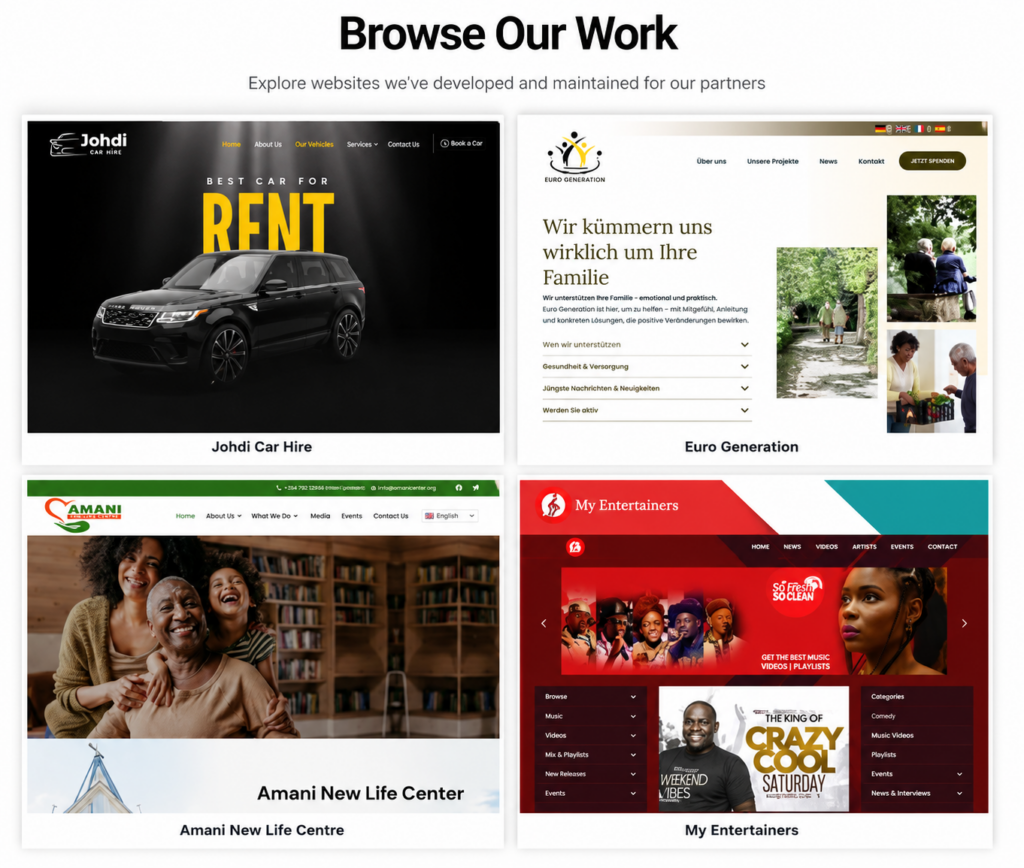
All of this happens before they ever send you a single message. And by the time they do reach out, they are already halfway convinced because your website has done the selling for you.
A website also signals permanence. Social media accounts get suspended, hacked, or deleted. A website on your own domain, with your own hosting, is yours. It tells customers that you are serious about your business and that you intend to still be there tomorrow.
Do You Need Both?
The simple answer is Yes - and they serve very different purposes.
Social media is where people discover you. It is where you show personality, share content, run promotions, and stay visible to your audience. It is the top of your marketing funnel - the place where potential customers first encounter your brand.
Your website is where people decide. It is where the discovery that happened on social media gets converted into a sale, an enquiry, or a booking. It is the bottom of your marketing funnel - the place where trust is confirmed and the purchase decision is made.
Trying to use social media to do both jobs is like trying to win a football match with only forwards and no goalkeeper. You might create a lot of chances, but you will keep losing when the ball goes back to your six yard box and easily finds the back of the net
Conclusion
The businesses that grow consistently online are the ones that use social media to drive attention and a website to convert that attention into customers. Both have a role. Neither replaces the other.
Your business is legitimate. Build the website that lets the internet confirm it.